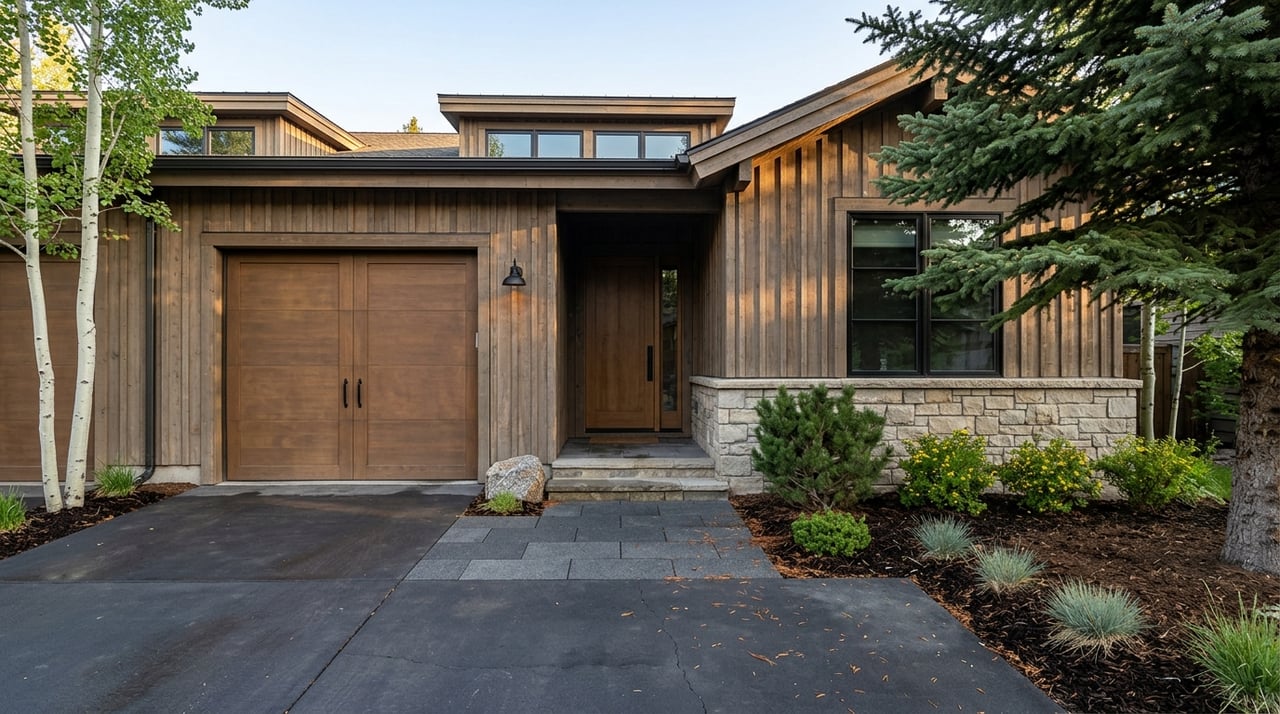
If you want luxury buyers to take your Vail Valley home seriously, preparation matters long before the first showing. In a market where Eagle County homes sold for a median of $1.545 million in March 2026 and averaged 139 days on market, polished presentation can help you protect value and reduce avoidable objections. Whether you live in the home full time or manage it from afar, a smart prep plan helps you launch with confidence. Let’s dive in.
Why prep matters in Vail Valley
Luxury buyers in Vail, Eagle, and the surrounding valley often begin their search online. That means your listing photos, floor plan, and property details shape the first impression before a buyer ever books a tour.
This matters even more in a high-price market with time for buyers to compare options carefully. Zillow’s Vail snapshot showed a typical home value of $1.723 million and 105 homes for sale as of April 30, 2026. When buyers have choices, homes that feel complete and well presented tend to stand out faster.
Start with condition, not cosmetics
Before you think about styling, make sure the home itself is ready. In the luxury tier, buyers notice deferred maintenance quickly, and small concerns can create bigger doubts about the overall property.
A pre-sale inspection is not required, but it can help you identify issues before they surface during negotiations. Common inspection areas include the structure, exterior, roof, plumbing, electrical, HVAC, interiors, insulation, ventilation, and fireplaces, with possible testing for items like mold, radon, lead paint, and asbestos.
If a roof, HVAC system, or major appliance is nearing replacement, get a cost estimate even if you do not plan to replace it. Those numbers can help you understand what buyers may factor into their offer and can make negotiations more straightforward.
Focus on repairs buyers notice
The most effective seller prep is often about removing objections, not taking on a major remodel. Buyers respond to a home that feels cared for, functional, and easy to step into.
Visible improvements usually carry the most weight. Fresh paint, brighter lighting, clean trim, updated hardware, and a crisp kitchen and bath presentation can improve both the in-person experience and the online listing.
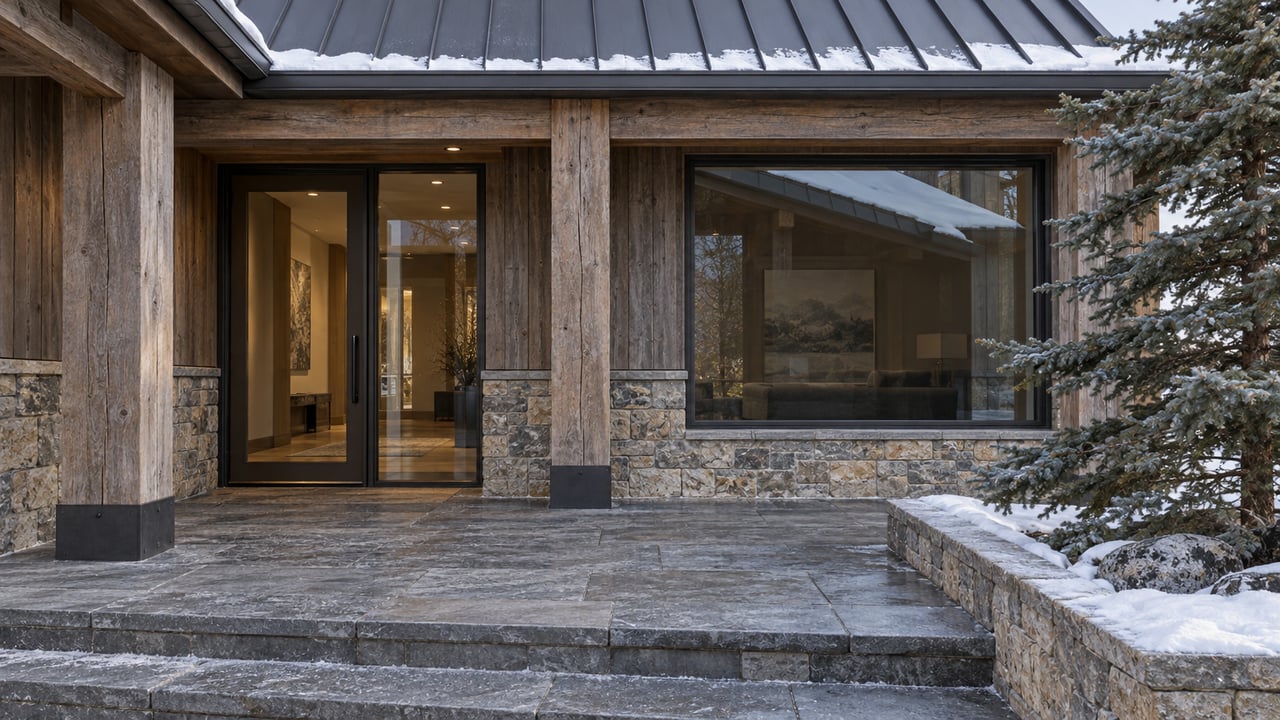
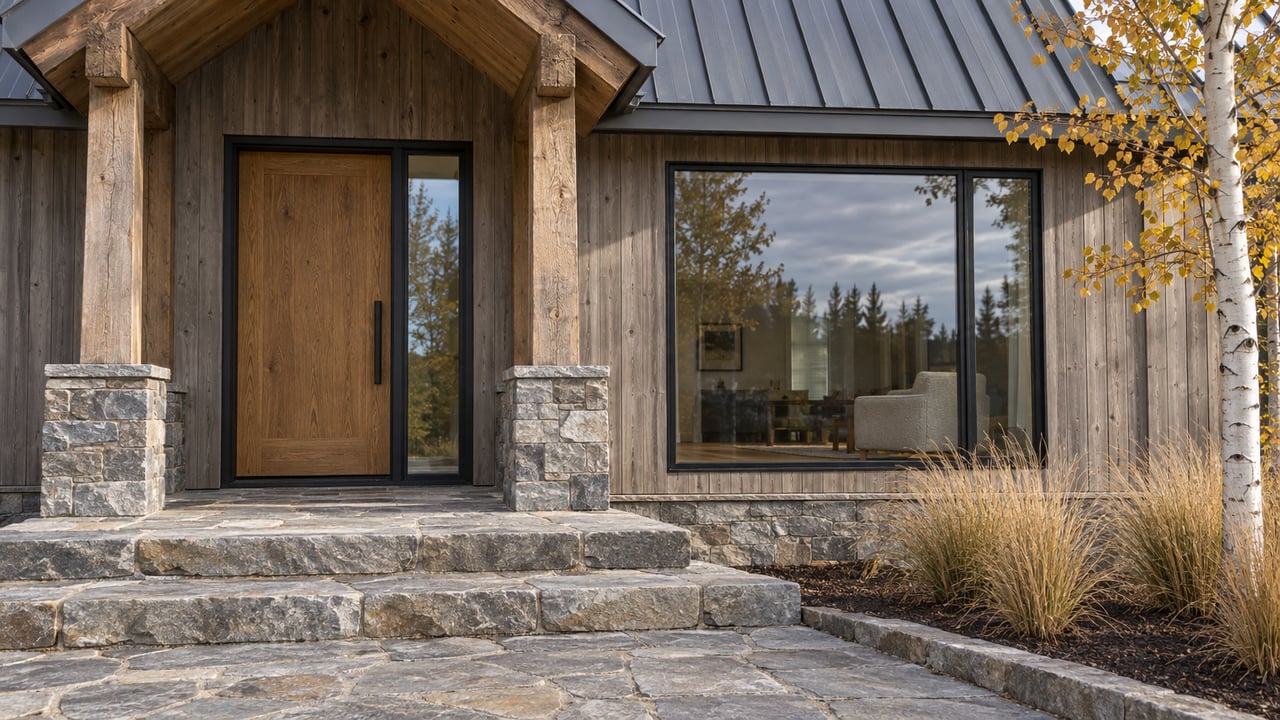
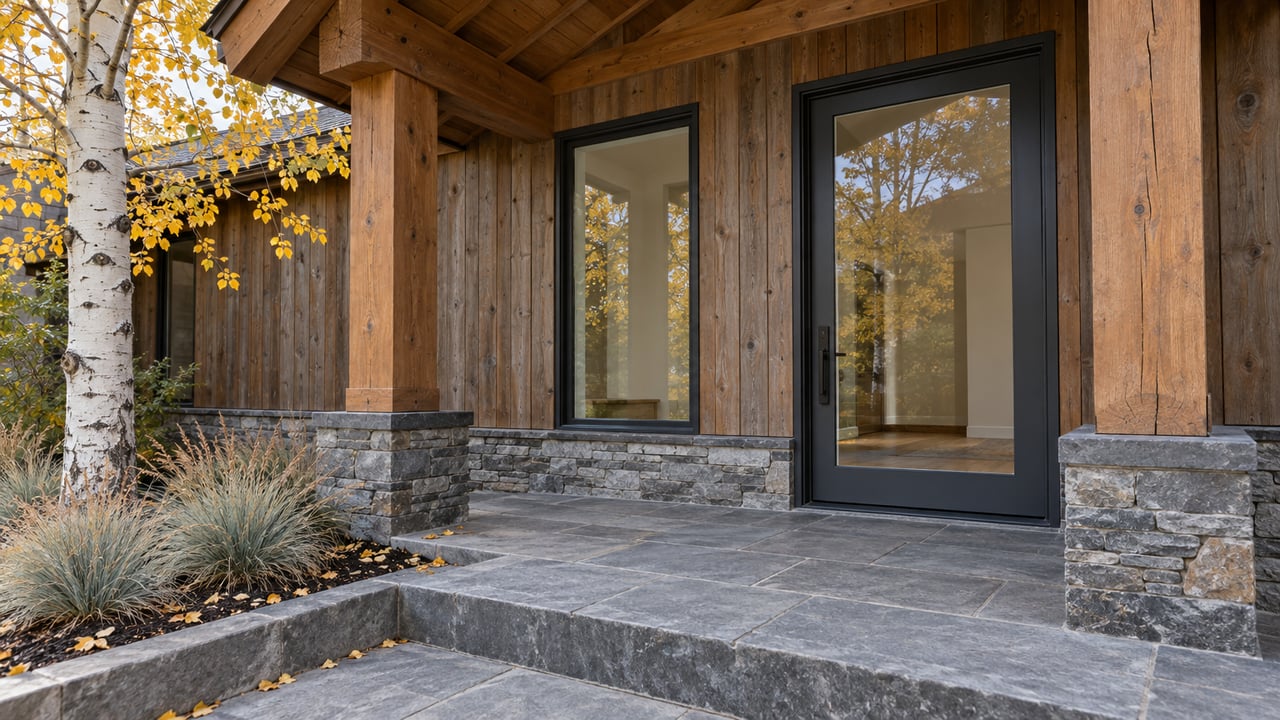
NAR also recommends cleaning windows, carpets, lighting fixtures, and walls, storing away clutter, and improving curb appeal through landscaping, the front entrance, and paint where needed. These are practical steps that help your home look better in photos and during showings.
Prioritize the features luxury buyers notice most
Luxury buyers tend to pay close attention to kitchens, bathrooms, layout, and outdoor living. In Redfin’s 2024 survey of luxury agents, 86% said double vanities were a common ask, 85% cited kitchen islands, 85% cited granite or quartz countertops, and 83% cited walk-in pantries.
The same survey found that many buyers were unlikely to make an offer on a home with an outdated kitchen. Lack of curb appeal and outdated bathrooms were also major turnoffs, while landscaping and indoor-outdoor living ranked high among outdoor features.
That does not mean you need a full renovation before listing. It does mean you should look closely at the spaces buyers judge fastest, including:
- Kitchen surfaces and lighting
- Bathroom cleanliness and fixture condition
- Main living areas and overall flow
- Entry presentation and front approach
- Decks, patios, and outdoor seating areas
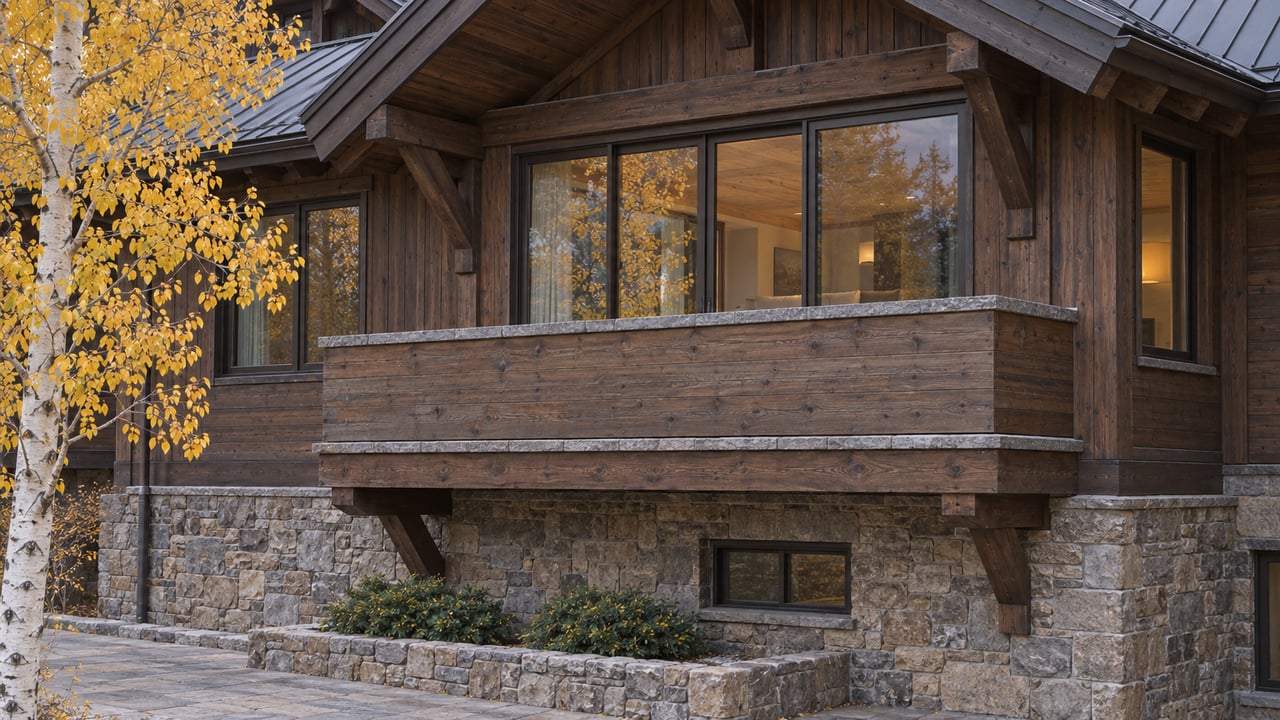
- Landscaping and general exterior upkeep
Open-concept floor plans were also rated as highly desirable. If your home already has strong flow, your job is to make that feel obvious by reducing visual clutter and arranging furniture to highlight space.
Get disclosures and paperwork ready early
In Colorado, preparation is not just about appearance. It is also about having your documents ready so the sale process stays smooth once interest picks up.
The current Colorado residential Seller’s Property Disclosure form is the 2026 version, and it must be completed to your current actual knowledge. If you later discover new adverse material facts, those must be disclosed promptly.
Colorado’s contract also requires sellers to provide known radon test results, and the Colorado Department of Public Health and Environment says radon is common throughout Colorado. If your home was built before 1978, federal law also requires disclosure of known lead-based paint information, and buyers receive a 10-day period to conduct a paint inspection or risk assessment.
You should also confirm required safety items are in place. Colorado requires an operational carbon monoxide alarm within fifteen feet of each bedroom when the property has a fuel-fired heater or appliance, a fireplace, or an attached garage.
Beyond disclosures, gather the paperwork buyers often request during contract. Useful items include:
- Appliance manuals
- Furnace and HVAC records
- Warranties and guarantees
- Repair invoices
- Known radon test results
- Service records for systems that will stay with the home
Having these ready can prevent delays and reinforce buyer confidence.
Condo and townhome sellers need HOA documents
If you are selling a condo or townhome in Vail Valley, plan for extra paperwork. Colorado’s residential contract explains that common-interest properties are subject to declarations, bylaws, and rules, and that assessments can create liens.
The seller must provide association documents at seller expense. In Colorado, the HOA Center treats HOAs, POAs, condominiums, cooperatives, and timeshares as common interest communities.
For a smoother launch, gather these documents as early as possible:
- Declaration
- Bylaws
- Rules and regulations
- Current assessment information
- Any other association documents required for the sale
This step is especially helpful for out-of-town buyers who want to understand the property clearly before they travel or write an offer.
Stage for clarity and scale
Staging can be especially useful in a luxury listing because it helps buyers picture how the home lives. According to NAR’s 2025 staging profile, 83% of buyers’ agents said staging made it easier for buyers to visualize a home as their future residence, and 60% said staging affected some buyers.
You do not always need to stage every room. In many homes, it makes sense to focus on the spaces that carry the most emotional and visual impact, such as the living room, kitchen, dining area, primary bedroom, and outdoor entertaining areas.
The goal is not to make the home look trendy. The goal is to make it feel spacious, calm, and finished.
Treat marketing media like a showing
In this market, the listing page is often the first showing. Buyers typically start online, and NAR reports that photos, detailed property information, floor plans, and virtual tours are among the most useful tools during the search.
For buyers aged 58 and under, photos ranked as the most useful website feature for nearly nine in 10 buyers. Floor plans and virtual tours also ranked highly, which means professional media is not an extra in the luxury space. It is part of the decision-making process.
Strong launch materials should usually include:
- Professional photography
- Clear, accurate floor plans
- Video or virtual tour content
- Detailed property information
At the same time, virtual media should support the showing experience, not replace it. Zillow found that only 23% of buyers in 2024 felt confident making an offer based only on a 360 or virtual tour, while floor plans help buyers decide which homes to visit in person.
Use the right prep sequence
If you want the cleanest path to market, sequence matters. A rushed photo day before repairs or staging can undercut the entire launch.
A strong workflow for many Vail Valley sellers looks like this:
- Complete inspections
- Handle repairs and maintenance
- Gather disclosures and documents
- Stage key areas
- Photograph and film the home
- Keep the property show-ready after launch
This is especially helpful if you are selling a second home or managing the process remotely. When everything is handled in the right order, the home reaches the market looking intentional rather than in transition.
Think like a buyer before you list
Before you go live, walk through the home with fresh eyes. Ask yourself what a buyer will notice in the first 30 seconds online, at the front door, and in the kitchen, primary bath, and main living spaces.
In the Vail Valley luxury market, the winning strategy is often simple: remove friction, answer questions early, and present the property as a finished product. That approach can help you protect perceived value and create a stronger first impression from day one.
If you are preparing to sell in Vail, Eagle, or elsewhere in the valley, thoughtful guidance can make the process far more efficient. For a polished, highly guided approach to pricing, prep, and presentation, connect with Michelle Rampelt.
FAQs
Is a pre-listing inspection worth it for a Vail Valley luxury home?
- It can be. A pre-sale inspection is not required, but it can uncover issues before showings and help you address buyer concerns early.
What updates matter most when preparing a luxury home in Vail Valley?
- Buyers tend to notice kitchens, bathrooms, curb appeal, indoor-outdoor living, lighting, and overall condition first, so visible improvements in those areas usually matter most.
What disclosures should Colorado home sellers have ready?
- Colorado sellers should complete the 2026 Seller’s Property Disclosure form to their current actual knowledge and provide known radon test results. Homes built before 1978 also require lead-based paint disclosures if applicable.
Do Vail Valley condo sellers need HOA documents before listing?
- Yes. For condos and townhomes, sellers must provide association documents at seller expense, including the governing documents and assessment information required for the sale.
What marketing materials help luxury buyers evaluate a Vail Valley home?
- Professional photos, detailed property information, floor plans, and virtual tour or video content are especially useful because many buyers begin their search online.